
AGRICULTURAL
COMMUNICATIONS
SERVICES
Providing strategic communications and marketing
for the Arkansas Agricultural Experiment Station
Latest News

Publications
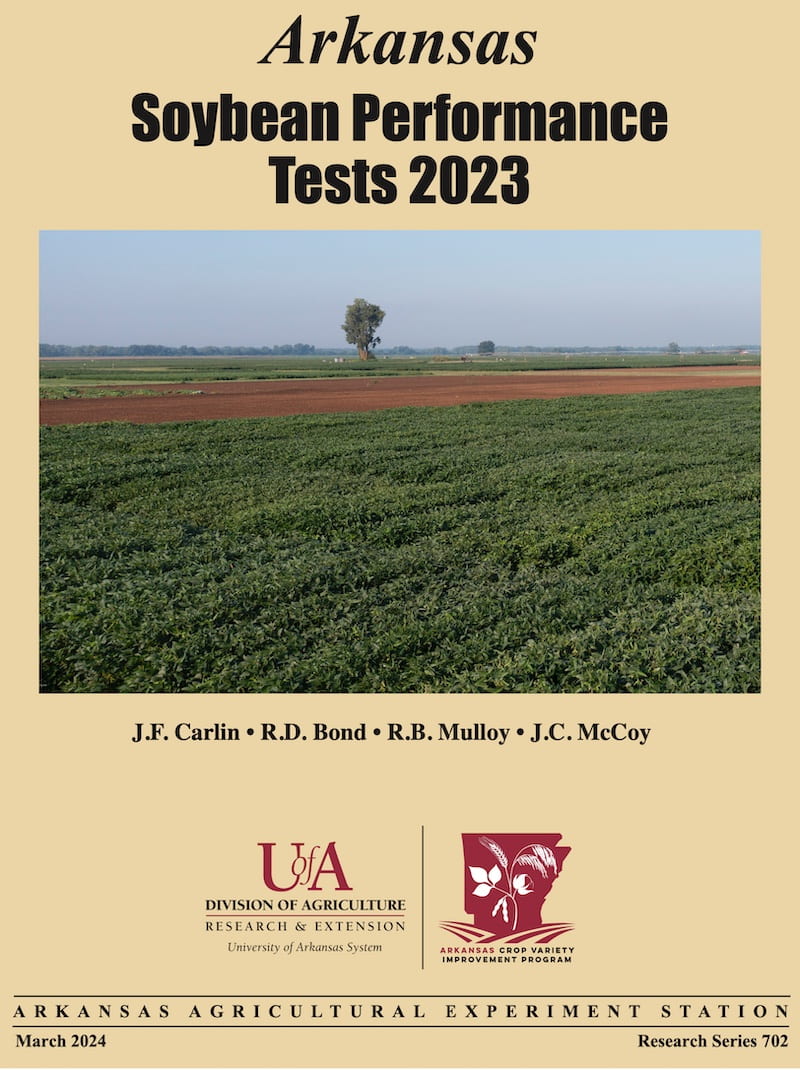 Research Series 702: Arkansas Soybean Performance Tests 2023
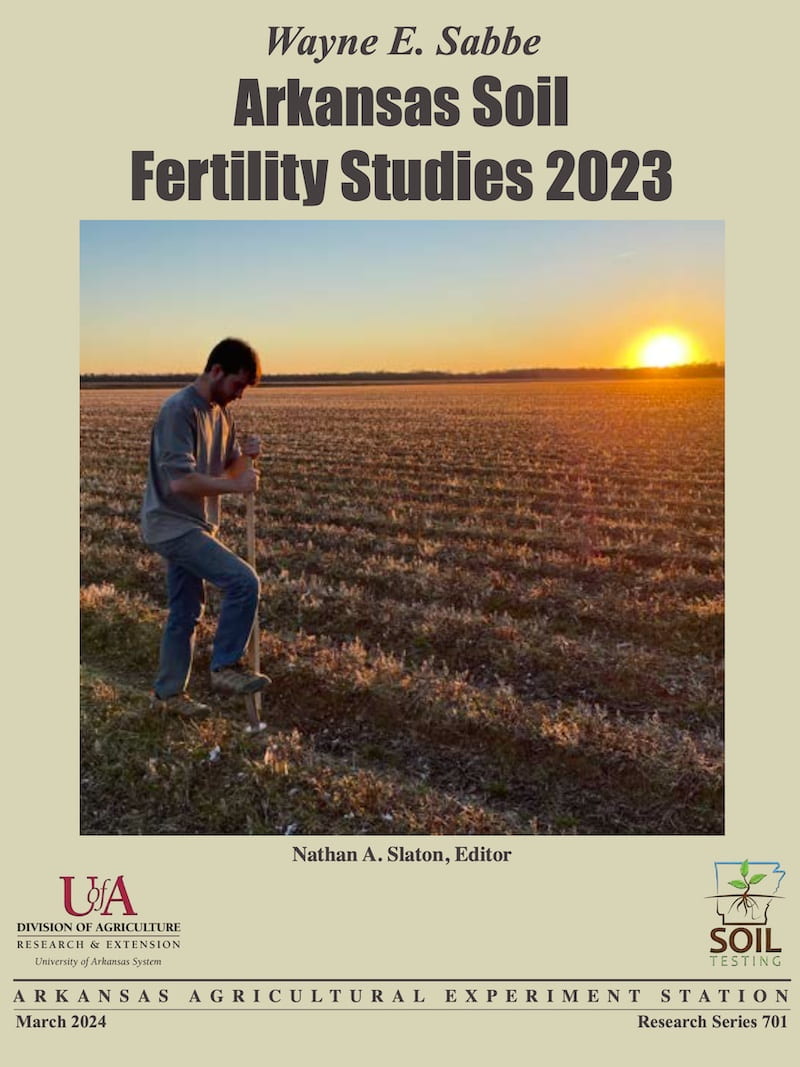 Research Series 701: Wayne E. Sabbe Arkansas Soil Fertility Studies 2023
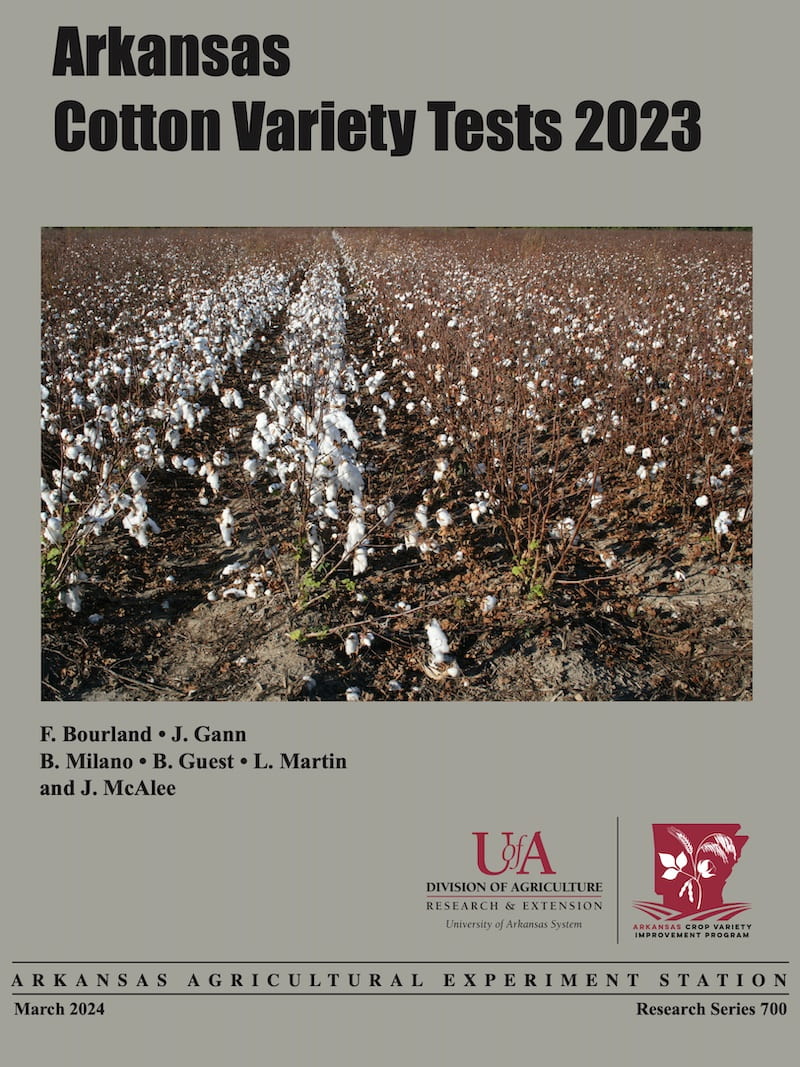 Research Series 700: Arkansas Cotton Variety Tests 2023
Research Videos
Meet the Team
We are a team of communications professionals telling the story of the Arkansas Agricultural Experiment Station. Contact us if you have any communications requests. We’d love to hear from you.
MEET THE TEAM >
Resources
Photo Library
View and download our photos. Nearly all of our photos are available to use for free.
Logos
Visit our brand page to download high-resolution logos for the University of Arkansas System Division of Agriculture.
Contact
Have a question? Submit your questions through our contact form.